
Real Estate naturally plays a crucial role in environmental sustainability by adopting low-impact practices. Key strategies include energy-efficient construction, renewable energy sources, water conservation, mixed-use developments, and circular design. A growing demand for eco-conscious homes is revolutionizing the industry. Success requires collaboration between policymakers, developers, architects, and consumers, with stricter codes, incentives, and education driving adoption. These approaches create affordable, sustainable living, ensuring a healthier planet and vibrant communities.
In the dynamic landscape of real estate, balancing environmental sustainability with affordability presents a significant challenge. The growing demand for housing, coupled with concerns over climate change, necessitates a reevaluation of our construction and management practices. We find ourselves at a crossroads, aiming to create livable spaces while minimizing our ecological footprint. This article delves into the harmonious union of minimalism and affordability, offering insights into how we can achieve both in the ever-evolving real estate sector. By exploring innovative design strategies and cost-effective solutions, we aim to provide a roadmap for a more sustainable and accessible future.
Achieving Low-Impact Living in Real Estate
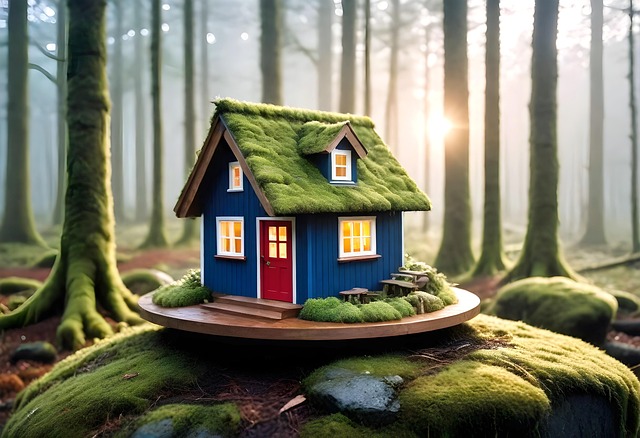
In the pursuit of sustainable living, minimizing our environmental footprint has become a paramount goal, especially within the realm of real estate. The industry’s inherent impact on the planet is undeniable; however, integrating low-impact practices into housing development and design offers a promising path towards affordability and ecological responsibility. This approach not only mitigates environmental degradation but also fosters communities that thrive in harmony with nature.
Real estate naturally plays a pivotal role in shaping our daily lives and carbon footprints. By adopting strategies such as energy-efficient construction, renewable energy sources, and water conservation measures, developers and architects can significantly reduce the ecological burden of residential buildings. For instance, incorporating smart home technologies enables efficient lighting and temperature control, while green roofs and vertical gardens enhance insulation and air quality. These innovations not only lower operating costs for residents but also contribute to overall sustainability goals. Recent studies indicate that buildings account for approximately 40% of global energy consumption, making the implementation of low-impact practices in real estate development a critical step towards a more sustainable future.
Practical steps toward achieving low-impact living in real estate include promoting mixed-use developments that encourage walkability and reduce car dependency, integrating accessible green spaces within urban areas, and adopting circular design principles to minimize waste. Additionally, leveraging local and renewable materials can lessen the carbon footprint associated with construction. As these strategies gain traction, we witness a growing trend of eco-conscious buyers seeking affordable, sustainable homes. This shift in consumer behavior, coupled with innovative real estate practices, is revolutionizing the industry, proving that environmental responsibility and economic viability can coexist harmoniously.
Expert insights suggest that the key to success lies in collaborative efforts between policymakers, developers, architects, and consumers. Stricter building codes and incentives for eco-friendly designs can accelerate the adoption of low-impact living practices. Moreover, educating potential homeowners about the long-term benefits of sustainable housing choices can foster a demand for environmentally conscious real estate options. By embracing these strategies, we can create a future where affordable, low-impact living is not just an ideal but a reality, ensuring a healthier planet and vibrant communities.
Strategies for Affordable, Eco-Friendly Homes

In the pursuit of sustainable living, the real estate industry is witnessing a paradigm shift towards affordable, eco-friendly housing solutions. This shift is not merely a trend but a necessary evolution to address both environmental concerns and economic realities. By minimizing the ecological footprint, developers and architects are creating homes that not only reduce carbon emissions but also offer financial benefits for residents. One of the key strategies in this movement involves innovative design approaches and material choices that strike a balance between affordability and sustainability.
For instance, the concept of passive house design has gained traction worldwide, focusing on efficient energy use through well-insulated buildings and optimized natural lighting. This approach significantly reduces heating and cooling costs, making homes more financially accessible while providing excellent indoor air quality. Additionally, incorporating locally sourced materials can lower construction expenses and minimize transportation emissions. A case in point is the increasing popularity of straw bale construction, which offers excellent insulation properties and reduces the overall material cost. These strategies not only create affordable homes but also empower residents to take control of their energy consumption, leading to long-term savings.
Furthermore, many experts advocate for mixed-use developments that integrate residential spaces with commercial or community amenities. This approach compactly utilizes land resources, reducing urban sprawl and lowering development costs. By incorporating shared spaces and amenities, these projects can offer more affordable housing options while fostering a vibrant community atmosphere. Data from recent studies indicates that densely populated, mixed-use neighborhoods have lower environmental impacts per capita, making them an attractive solution for both real estate developers and environmentally conscious buyers. Embracing such strategies ensures that the pursuit of eco-friendly living does not compromise affordability but instead paves the way for more sustainable and economically viable communities.
Balancing Affordability with Sustainable Practices

In the realm of real estate, balancing affordability and sustainable practices presents a complex challenge. As the global focus on environmental stewardship intensifies, developers and investors are increasingly scrutinized for their impact on the planet. However, it is not a zero-sum game; minimizing a property’s environmental footprint can concurrently enhance its financial viability. The key lies in adopting holistic strategies that integrate eco-friendly design, energy-efficient systems, and material choices with cost-conscious approaches.
For instance, leveraging natural ventilation and daylighting reduces energy consumption for lighting and cooling, lowering operational costs. Incorporating renewable energy sources like solar panels not only diminishes a building’s carbon footprint but also offers long-term financial benefits through reduced utility bills. Furthermore, selecting locally sourced and recycled materials not only supports sustainable practices but also often aligns with budget constraints, as transportation costs are minimized. According to a recent study, buildings that incorporate green design elements can command premium rents and higher sales prices, demonstrating that affordability and sustainability are not mutually exclusive.
Expert advice emphasizes the importance of a lifecycle perspective. Developers should consider not only the initial construction phase but also the building’s performance over its lifespan. Implementing modular construction techniques, for example, can reduce waste and expedite completion, lowering overall project costs. Additionally, strategic partnerships with specialists in sustainable technologies can unlock innovative solutions that are both cost-effective and environmentally responsible. By embracing these practices, the real estate sector can strive for a future where affordable housing and sustainable practices go hand in hand, creating healthier environments and more robust financial outcomes.