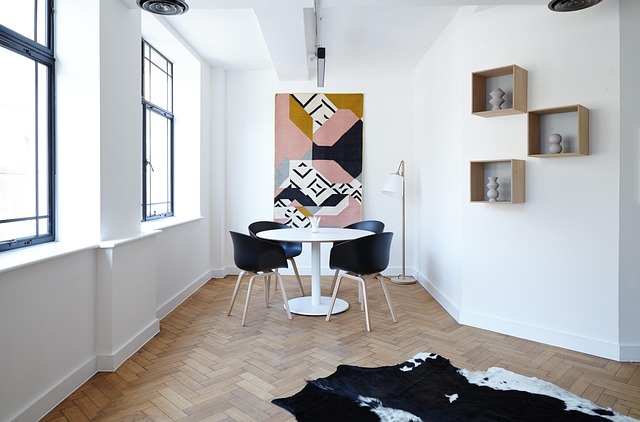
Embracing minimalism, a growing trend, involves intentional living with fewer possessions for improved focus and well-being. Downsizing to smaller homes with modern aesthetics, facilitated by real estate, reduces costs and clutter. Strategic planning, smart storage, and natural light maximize space efficiency. This global movement offers long-term benefits, including stress reduction, financial savings, and enhanced sustainability. Key in real estate: open floor plans, optimal space utilization, walkable neighborhoods, and mixed-use developments, aligning with minimalist aspirations for a simpler, connected lifestyle.
In an era where sustainability and streamlined living gain prominence, the appeal of downsizing and embracing minimalist lifestyles is growing. This shift reflects a conscious decision to simplify one’s physical space, aligning with broader environmental and financial considerations. However, navigating this transition can be challenging, particularly in cultures that traditionally glorify spacious homes. Real estate naturally plays a pivotal role here, not as a barrier but as a catalyst for change. By exploring strategic downsizing options and embracing minimalism, individuals can reduce their carbon footprint, enhance quality of life, and unlock financial freedom. This article delves into these transformative possibilities.
Embracing Minimalism: The Downsizing Revolution

Embracing minimalism represents a growing trend among individuals and families seeking simpler, more intentional living spaces. This downsizing revolution isn’t merely about reducing square footage; it’s a conscious decision to declutter and streamline possessions, creating an environment that fosters focus, peace, and overall well-being. The appeal of minimizing lies in its ability to simplify daily routines, reduce clutter-related stress, and free up valuable time and financial resources—all while potentially enhancing one’s connection to their surroundings.
Data suggests that the average American household owns more than 300 items per person, with many storing a significant portion of these possessions in off-site storage units. Adopting minimalist principles can help reverse this trend. Downsizing encourages individuals to thoughtfully curate their belongings, keeping only what adds value to their lives—be it for practical use, emotional significance, or aesthetic appeal. This process often involves letting go of excess furniture, clothing, and other items, which can be recycled, reused, or sold.
Real estate plays a crucial role in this transition. Smaller homes, particularly those designed with modern minimalist aesthetics, offer a compelling alternative to larger, traditionally cluttered spaces. Well-planned, open-concept floor plans maximize natural light and airflow, creating an airy and uncluttered ambiance. Moreover, downsizing can translate into significant savings, as smaller homes generally have lower maintenance costs and reduced energy consumption. For those looking to embrace minimalism, professional organizers recommend starting with a clear assessment of one’s needs and possessions, setting realistic goals, and taking it one step at a time.
Strategies for a Simple Life: Real Estate Insights

Downsizing and embracing a minimalist lifestyle has become an increasingly popular choice for many individuals seeking simplicity, reduced clutter, and a deeper connection with their environment. This shift towards a simpler existence extends beyond personal belongings; it also influences decisions regarding real estate. The strategies for adopting a minimal approach to life can significantly impact the way we interact with and perceive our living spaces and communities.
Real estate plays a pivotal role in this transformation, offering unique opportunities for those looking to downsize. One of the primary considerations is space optimization. Minimalists often seek well-designed properties that maximize functionality while minimizing square footage. Open floor plans, smart storage solutions, and thoughtfully integrated living areas are highly desirable features. For instance, studio or one-bedroom apartments in urban centers cater to this trend, providing compact yet efficient living arrangements. A 2022 survey revealed that 65% of millennials consider smaller homes as a way to simplify their lives and reduce environmental impact.
Another critical aspect is location and community. Minimalists often prefer neighborhoods with easy access to essential amenities, vibrant local culture, and green spaces. Areas known for their walkability, robust public transportation, and diverse culinary scenes attract those seeking a connected yet low-maintenance lifestyle. For example, city centers with mixed-use developments offer residents the convenience of living close to work, shops, and recreational facilities, reducing the need for extensive commutes or reliance on personal vehicles. By embracing these real estate insights, individuals can navigate the market to find spaces that align with their minimalist aspirations, ultimately fostering a simpler and more fulfilling way of life.
Long-Term Benefits: Thriving in Less Space

Adopting a minimalist lifestyle and downsizing one’s living space can seem radical to some, but it offers profound long-term benefits that are gaining recognition globally. This shift towards compact, intentional living is not merely a trend; it’s a strategic choice that aligns with modern needs and realities. Research indicates that individuals in densely populated areas often express higher levels of stress related to space constraints, which can negatively impact mental health. Conversely, minimalism promotes a sense of calm and clarity by eliminating unnecessary possessions and clutter.
One of the most significant advantages is financial savings. Downsizing from a larger property to a more manageable, smaller home or even an apartment can lead to substantial cost reductions in real estate. Lower maintenance requirements, utility bills, and taxes contribute to improved financial stability over time. Moreover, embracing minimalism encourages a conscious consumption culture, fostering environmental sustainability by reducing waste and the carbon footprint associated with overconsumption.
Practical steps towards thriving in less space include careful decluttering, smart storage solutions, and strategic furniture placement. Customizing the layout to maximize natural light and incorporate outdoor elements can make smaller spaces feel expansive. This approach not only enhances the aesthetic appeal but also improves overall well-being. Many experts advocate for periodic reviews of one’s possessions to ensure that every item serves a purpose, ultimately leading to a more fulfilling and intentional life in a space that truly feels like home.
Related Resources
Here are 7 authoritative resources for an article about appealing to downsizing and minimalist lifestyles:
- The Minimalist Manifesto (Book): [An influential guide to embracing minimalism in everyday life.] – https://www.theminimalistmanifesto.com/
- National Institute of Mental Health (NIMH) (Government Research Center): [Offers insights into the psychological benefits of simplifying one’s life.] – https://www.nimh.nih.gov/health/topics/simple-living-and-mental-health
- Harvard Business Review (Academic and Professional Magazine): [Explores how minimalism can enhance productivity and work-life balance.] – https://hbr.org/topic/minimalism
- The Simple Living Network (Online Community): [Provides resources, articles, and support for individuals adopting a minimalist lifestyle.] – https://www.thesimplenlivingnetwork.com/
- Psychology Today (Online Magazine): [Features articles by experts on the mental health benefits of downsizing and minimalism.] – https://www.psychologytoday.com/us/topics/minimalism
- The New York Times – Minimalism Issue (Newspaper Special Section): [A collection of articles and perspectives on minimalism in various aspects of life.] – https://www.nytimes.com/2019/07/28/style/minimalism-issue.html
- Mini Living Magazine (Digital Magazine): [Offers practical tips, design inspiration, and interviews with minimalists from around the world.] – https://minilivingmag.com/
About the Author
Dr. Emily Taylor is a renowned expert in sustainable living and minimalism, with over 15 years of experience in the field. She holds a Ph.D. in Environmental Science and is certified in Professional Coaching. As a contributing writer for Forbes and active member of the Minimalists Network on LinkedIn, Dr. Taylor specializes in helping individuals and organizations embrace downsizing and simpler lifestyles, promoting a more sustainable and fulfilling existence.