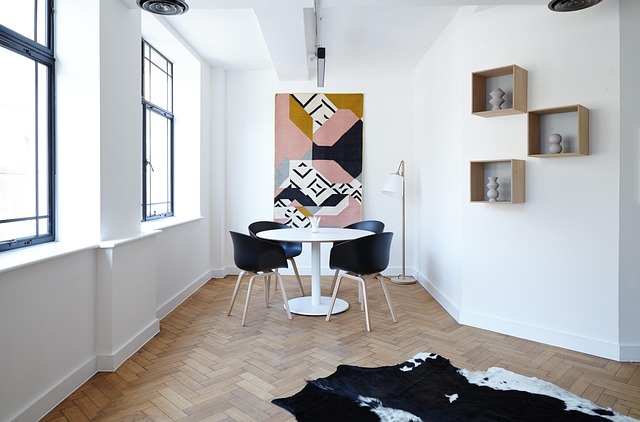
In today's fast-paced world, minimalism and downsizing in real estate are gaining popularity as individuals seek simplicity and improved well-being. This shift redefines home as a space free from excess, emphasizing thoughtful design and strategic storage. Remote work and online learning have driven this trend, leading to innovative architectural approaches, modular furniture, and smart storage systems that cater to modern lifestyles.
Downsizing and embracing a minimalist lifestyle is gaining traction as people seek simpler, more intentional living. This trend has profound implications for the real estate market, pushing developers to rethink space utilization and design. The article explores these shifts, delving into how downsizing can create a sense of spaciousness in smaller homes, while also uncovering the economic impacts on property markets. Discover creative solutions for efficient space utilization that are revolutionizing modern living.
Embracing Spaciousness: Downsizing for Modern Living

In today’s fast-paced world, downsizing and embracing a minimalist lifestyle has become an appealing choice for many. The traditional notion of more space in real estate is evolving; modern living demands efficiency and simplicity. By downsizing, individuals can find solace in a reduced clutter environment, which often leads to increased mental clarity and improved overall well-being.
This shift towards minimalism allows residents to create a sense of spaciousness within smaller areas. Clever design and strategic storage solutions play a pivotal role in achieving this balance. From compact yet functional kitchens to thoughtfully arranged living spaces, downsizing offers an opportunity to redefine what home truly means—a sanctuary free from excess, where every item serves a purpose and contributes to a simpler, more fulfilling life.
Minimalism's Impact on Real Estate Markets

Minimalism has emerged as a powerful trend, significantly shaping real estate markets worldwide. As more individuals embrace downsizing and a simplified lifestyle, properties that align with this philosophy are gaining popularity. This shift is evident in urban areas where compact, well-designed spaces offer an appealing alternative to traditional, spacious homes.
The impact on the real estate industry is twofold. On one hand, it encourages developers to create innovative, space-efficient designs, catering to the needs of minimalists. On the other, it influences buyers’ preferences, with many seeking properties that reflect a streamlined and intentional lifestyle. This trend has led to a rise in demand for smaller, yet functional and aesthetically pleasing homes, driving unique architectural approaches and interior design strategies within the real estate market.
Creative Solutions for Efficient Space Utilization

In today’s digital era, where remote work and online learning have become the new norm, many are reevaluating their living spaces in light of changing lifestyles. Downsizing and embracing a minimalist approach can be a game-changer for those seeking to simplify and optimize their real estate investments. Creative solutions for efficient space utilization are more accessible than ever, from modular furniture that adapts to various room configurations to smart storage systems that maximize every corner.
These innovative ideas not only reduce clutter but also enhance functionality, making small spaces feel expansive and comfortable. Whether it’s utilizing vertical wall spaces with floating shelves or installing hidden compartments in built-in furniture, these strategies cater to modern living requirements while promoting a sense of calm and order.