
Adopting minimalism in real estate is a growing trend, emphasizing simplicity for improved mental well-being and financial stability. Key aspects include intentional decluttering, rethinking storage, and space-saving designs. Downsizing to smaller, open homes reflects a desire for quality over quantity. Personal needs and lifestyle changes guide strategic real estate choices, ensuring comfort and efficiency. Minimalism simplifies daily life, reduces stress, and fosters connections with surroundings, enhancing quality of life. Specialized agents facilitate informed decisions, aligning with long-term satisfaction.
In today’s fast-paced and often stressful world, there’s a growing trend towards downsizing and embracing minimalist lifestyles. This shift reflects a deeper desire for simplicity, sustainability, and a closer connection to one’s surroundings. However, the traditional real estate market often fails to cater to these preferences, promoting larger and more opulent properties. This article delves into the appeal of downsizing and minimalism, exploring how individuals and families can find satisfaction and tranquility in smaller, more intentional living spaces. We provide practical insights and expert advice to guide you through this transformative journey.
Embracing Minimalism: A New Lifestyle Paradigm
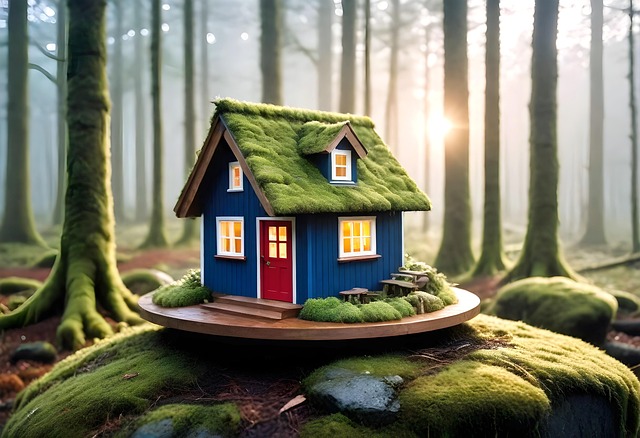
Embracing minimalism is a growing lifestyle trend that is transforming the way we perceive and interact with our surroundings, particularly in the realm of real estate. This paradigm shift towards simplicity is not merely a superficial trend but a conscious choice that promises numerous benefits, from improved mental well-being to enhanced financial stability. By adopting a minimalist lifestyle, individuals and families can cultivate a deeper connection with their environment, prioritizing experiences over possessions. This shift is evident in the rising popularity of smaller, more intentional homes, where every space is curated to serve a purpose, fostering a sense of calm and order.
The appeal of minimalism lies in its ability to simplify daily life, reducing clutter and stress. A minimalist home, for instance, emphasizes functionality and aesthetic appeal, allowing for a more organized and peaceful living environment. This lifestyle choice is not about deprivation but rather about making conscious decisions to acquire only what is essential, leading to a more sustainable and meaningful existence. In the context of real estate, this translates into a reevaluation of space requirements, with many embracing compact, well-designed dwellings that offer all the comfort and convenience of larger spaces without the associated maintenance and financial burden.
Practical steps towards embracing minimalism include intentional decluttering, where items are carefully curated based on personal value and utility. This process, often facilitated by digital tools and organized events, helps individuals let go of unnecessary possessions, freeing up space and mind. Additionally, rethinking storage solutions and adopting space-saving designs can maximize the efficiency of any real estate footprint. For example, vertical storage, multifunctional furniture, and clever utilization of nooks and crannies can transform a small apartment into a spacious, inviting home. Ultimately, embracing minimalism is a personal journey that can lead to a deeper appreciation for life’s simple pleasures and a more harmonious relationship with one’s surroundings.
Downsizing Your Space: Strategic Real Estate Choices

Downsizing your space is a strategic real estate choice that increasingly appeals to individuals and families seeking simpler, more mindful lifestyles. In today’s fast-paced world, where consumerism often drives the desire for larger homes, a growing number of people are reversing this trend, embracing minimalism and compact living. According to a recent study by the National Association of Realtors, a significant portion of homebuyers now prioritize open floor plans and flexible spaces over larger square footage. This shift reflects a conscious decision to prioritize quality over quantity in living environments.
Strategic real estate choices play a pivotal role in this trend. Downsizing involves careful consideration of location, layout, and amenities to maximize comfort and efficiency within a smaller footprint. For instance, opting for a well-designed, multi-functional living room that doubles as a home office can save valuable space and money. Alternatively, choosing a home in a walkable neighborhood with easy access to local amenities reduces the need for extensive commuting and opens up opportunities for more active lifestyles. These choices not only minimize environmental impact through reduced energy consumption but also foster a deeper connection with the community.
Expert real estate advisors recommend assessing personal needs and preferences before downsizing. This process involves evaluating lifestyle changes, family dynamics, and future goals. For example, a retiree might opt for a smaller home near family or in a lower-maintenance community, while young professionals could prioritize proximity to urban centers and entertainment hubs. Engaging with experienced agents who specialize in compact living or minimalism can provide invaluable insights, ensuring that downsizing decisions are well-informed and aligned with long-term satisfaction.
The Art of Simplifying: Building a Calmer Life

In today’s fast-paced world, many individuals are discovering the allure of downsizing and embracing a minimalist lifestyle. This shift is not merely a trend but a conscious decision to simplify and prioritize what truly matters. The art of simplifying involves curating a life that is less cluttered, both physically and mentally, allowing for greater peace and clarity. This approach extends beyond mere aesthetics; it’s about reclaiming time, reducing stress, and fostering a deeper connection with one’s surroundings, including their living spaces.
Real Estate plays a pivotal role in this transformation. Smaller, more intentional homes are becoming increasingly popular, reflecting a change in societal priorities. According to recent studies, the average home size in many urban areas has decreased, as folks opt for compact, well-designed spaces that cater to their essential needs. This trend empowers individuals to focus on curating a home that serves as a sanctuary, free from the excesses of modern consumerism. For instance, a minimalist kitchen equipped with smart appliances and ample storage solutions can streamline meal preparation, leaving more time for leisure and self-care.
Simplifying one’s living environment doesn’t mean sacrificing comfort or style. It’s about making conscious choices that enhance quality of life. This might involve decluttering, adopting a color-coordinated palette, or incorporating natural elements. For example, a living room with a gallery wall of meaningful artwork, combined with comfortable seating and a few carefully selected plants, can create a warm and inviting space. By downsizing and curating a minimalist home, individuals can spend less time maintaining their living spaces and more time enjoying them. This shift fosters a deeper appreciation for the present moment and can lead to improved mental well-being.