The real estate industry is experiencing a significant shift towards eco-friendly living spaces driven by environmental awareness and desire for harmonious coexistence with nature. This transformation emphasizes biophilic design, renewable energy sources like solar panels, and smaller, efficiently designed homes that reduce carbon footprints and lower maintenance costs. Government incentives, tax benefits, and consumer demand further drive this trend, contributing to sustainable communities and mitigating climate change while potentially enhancing property values. Real Estate naturally plays a crucial role in creating environmentally friendly spaces that enrich lives.
The demand for sustainable living spaces is rising, challenging the traditional notion of real estate development. As environmental consciousness grows, there’s a pressing need for eco-friendly alternatives to larger, resource-intensive dwellings. The problem lies in the lack of compact, environmentally conscious housing options that cater to modern lifestyles. However, innovative design and material advancements offer a promising solution: smaller, highly efficient homes. This article delves into the concept of micro-dwelling as a viable and sustainable option within the real estate sector, exploring its benefits for both individuals and the planet.
Unlocking Sustainable Living Spaces in Real Estate Naturally
The real estate industry is undergoing a quiet revolution as consumers and professionals alike recognize the benefits of eco-friendly living spaces. Unlocking sustainable living within the realm of real estate naturally offers not just environmental advantages but also contributes to healthier, more resilient communities. This shift towards natural integration is driven by a growing awareness of climate change and a desire for harmonious coexistence with our surroundings.
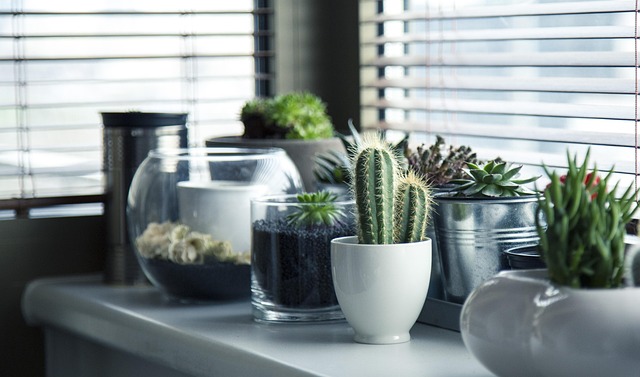
One of the key aspects of this transformation is the emphasis on design that blends seamlessly with the existing landscape. For instance, architects are increasingly employing biophilic design principles, bringing nature indoors through natural materials, ample daylighting, and green walls. This approach not only enhances aesthetics but also improves air quality and mental well-being, as evidenced by studies showing reduced stress levels in spaces with biophilic elements. In real estate naturally, this translates to properties that feel connected to their environment, making them more desirable to a significant portion of the market.
Furthermore, incorporating renewable energy sources is another critical component of sustainable living spaces. Solar panels and wind turbines are no longer mere curiosities; they have become practical, cost-effective solutions for homeowners looking to reduce their carbon footprint. Many real estate developers now offer options that include pre-installed renewable energy systems, making it easier than ever to own a home that contributes positively to the environment. For example, Germany’s feed-in tariff program has led to a significant increase in solar energy adoption, demonstrating that incentives and innovative design can drive widespread acceptance of eco-friendly practices in real estate naturally.
To facilitate this transition, educators and industry professionals play a vital role in sharing knowledge and best practices. Workshops, seminars, and online resources provide actionable advice on everything from efficient water management to sustainable landscaping. As we navigate the challenges of climate change, embracing real estate naturally is not just an option but a necessity. By doing so, we can create spaces that are not only environmentally friendly but also enrich the lives of those who inhabit them.
Exploring Eco-Friendly Alternatives to Large Dwellings

In an era increasingly focused on sustainability, exploring eco-friendly alternatives to large dwellings is more pertinent than ever. The traditional real estate landscape often prioritizes space over environmental impact, but a growing trend in the industry challenges this paradigm. Smaller, more efficiently designed homes not only reduce carbon footprints but also offer practical benefits like lower maintenance costs and enhanced energy conservation.
One of the most significant advantages of these eco-friendly abodes is their minimalism, which promotes a simpler, more connected lifestyle. For instance, compact houses often feature smart design elements that maximize space utilization, such as multifunctional rooms or built-in storage. This approach not only minimizes material usage during construction but also reduces energy wastage associated with larger homes. Moreover, these dwellings typically require fewer resources for heating, cooling, and lighting, contributing to a lower environmental impact.
The shift towards eco-friendly real estate is being driven by both individual values and government initiatives. Data suggests that smaller homes are in high demand among millennials and Gen Z, who prioritize sustainability and affordability. Many governments worldwide are also incentivizing compact living through tax benefits, subsidies, and accessible financing options for energy-efficient homes. By embracing these alternatives, individuals not only contribute to a greener planet but also benefit from lower living costs and potentially higher property values in the long run.
The Rise of Compact, Green Homes: A Comprehensive Guide

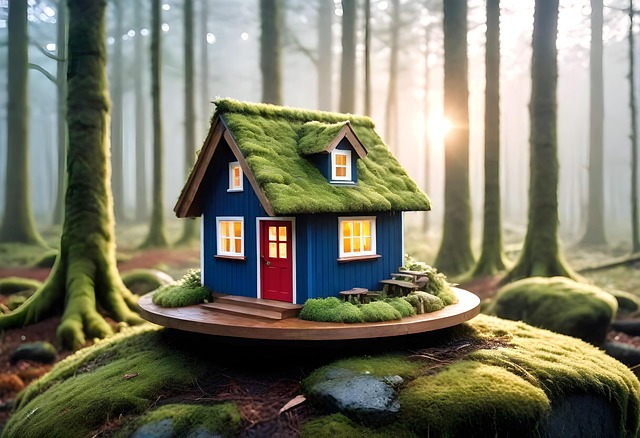
The shift towards sustainable living has sparked a significant change in the real estate landscape, with compact, green homes gaining prominence as an eco-friendly alternative to larger dwellings. This trend is not just a passing fad but a growing movement driven by environmental consciousness and practical considerations. As urban populations continue to rise, the demand for space-efficient homes that minimize ecological footprints is on the increase.
Compact homes offer numerous advantages, from reduced construction and operational costs to lower carbon emissions. They are designed with an emphasis on functionality, utilizing every square foot efficiently while incorporating sustainable features such as natural lighting, energy-efficient appliances, and water conservation systems. For instance, according to a recent study, homes that incorporate green building practices can save up to 30% on energy bills, showcasing the significant financial benefits for both owners and the environment. Leading architects and developers are now embracing this concept, creating innovative designs that blend aesthetics with sustainability.
One of the key drivers behind the rise of compact green homes is government policy and incentives. Many countries are offering tax breaks, grants, and favorable regulations to promote eco-friendly construction. These initiatives encourage real estate developers to invest in sustainable practices, leading to a broader market availability of these homes. As consumers become more aware of their environmental impact, they are actively seeking out options that align with their values, further fueling this movement. Embracing compact living not only benefits individuals but contributes to the overall goal of creating sustainable communities and mitigating climate change.