The real estate industry is experiencing a significant shift towards compact, eco-friendly homes as a key strategy for sustainable communities. Techniques like prefab construction and smaller living spaces reduce waste and energy consumption. Developers embrace natural materials, passive design, and smart home technologies to enhance sustainability. Green communities incorporate renewable energy and efficient resource management, while green building certifications like LEED save energy and water. Investors show interest in green real estate funds, positioning agents as leaders in promoting environmentally friendly living options.
The demand for sustainable living has surged, challenging the conventional focus on large, resource-intensive real estate developments. As we grapple with environmental concerns, there’s a growing need to explore eco-friendly alternatives that don’t compromise comfort or style. This article delves into innovative solutions, focusing on compact, efficient dwellings as a viable, nature-inspired approach. We’ll examine how these designs not only minimize environmental impact but also contribute to more sustainable communities and individual lifestyles. By exploring these concepts, we aim to provide valuable insights for both industry professionals and those seeking environmentally conscious living options.
Unlocking Sustainable Living Spaces: Real Estate Naturally
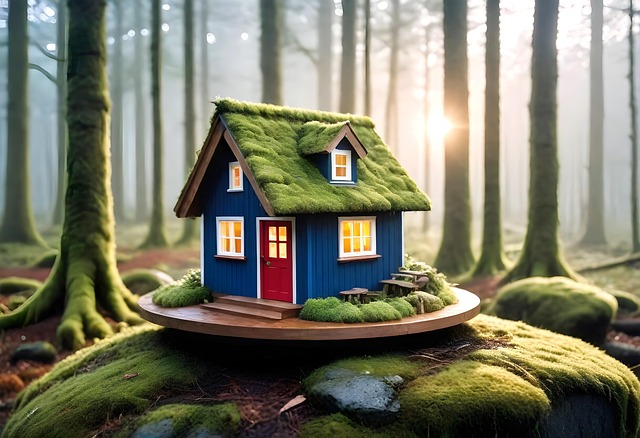
The shift towards sustainable living has sparked a growing interest in eco-friendly alternatives to larger dwellings, often characterized by their reduced environmental footprint and optimized resource utilization. Real estate naturally plays a pivotal role in this transformation, offering a pathway to more sustainable communities. One of the key strategies is the adoption of compact, well-designed homes that maximize space efficiency while minimizing energy consumption. For instance, prefab and modular construction techniques have gained popularity due to their ability to reduce waste, lower carbon emissions, and offer customizable designs tailored to specific needs and preferences.
Studies indicate that smaller living spaces can lead to significant energy savings. According to a report by the International Energy Agency, downsizing from a 200-square-meter home to a 150-square-meter one can result in energy consumption reductions of up to 20%. This is achieved through reduced heating, cooling, and lighting demands, as well as easier management of indoor environments. Moreover, integrating natural materials and passive design principles, such as strategic window placement for optimal daylighting and insulation, further enhances the eco-friendliness of these spaces.
Real estate developers and architects are increasingly embracing these concepts, leading to the creation of innovative, sustainable residential projects worldwide. For example, the development of “tiny homes” has gained momentum, offering minimal living areas while providing all essential amenities. This trend not only promotes a simpler, more connected lifestyle but also encourages communities to rethink their relationship with space and consumption. As urbanization continues to rise, embracing compact living becomes not just an environmental choice but a practical solution for creating sustainable, livable cities of the future.
Exploring Eco-Friendly Construction Methods

The real estate industry is undergoing a significant transformation as the demand for sustainable living spaces gains momentum. In response to environmental concerns and climate change, architects and builders are increasingly exploring eco-friendly construction methods as an alternative to larger, conventional dwellings. This shift not only aligns with global sustainability goals but also offers numerous benefits for both developers and potential homeowners.
One of the key aspects driving this movement is the utilization of natural materials and innovative techniques that minimize a building’s environmental footprint. For instance, bamboo, a rapidly renewable resource, has emerged as a popular alternative to traditional wooden structures, offering exceptional strength and versatility. Additionally, earth-based construction methods like rammed earth and cobb buildings are making a comeback, providing excellent thermal mass and reducing the need for energy-intensive materials. These approaches not only promote environmental stewardship but also create unique, aesthetically pleasing spaces that harmonize with their surroundings. According to a study by the U.S. Green Building Council, buildings constructed using sustainable methods can reduce carbon emissions by up to 50% compared to conventional counterparts.
Implementing eco-friendly practices in real estate development goes beyond material choices. It involves adopting efficient design strategies that maximize natural light and ventilation, thereby reducing energy consumption for lighting and cooling. Integrating green roofs and vertical gardens not only enhance the aesthetic appeal of buildings but also provide insulation, improve air quality, and support local biodiversity. Moreover, implementing smart home technologies enables homeowners to monitor and optimize their energy usage, further contributing to environmental conservation. By embracing these innovative construction methods, developers can create high-quality, eco-conscious homes that cater to the growing demand for sustainable living options in today’s market.
The Rise of Green Communities in Real Estate

The real estate industry is witnessing a significant shift towards sustainability as green communities emerge as an eco-friendly alternative to traditional larger dwellings. This movement not only addresses environmental concerns but also caters to a growing demand for healthier, more connected living spaces. Green communities incorporate sustainable design principles, renewable energy sources, and efficient resource management systems, making them highly attractive to environmentally conscious buyers.
One notable trend is the development of smart, eco-friendly neighborhoods where homes are designed to minimize their carbon footprint. These communities often feature shared green spaces, community gardens, and integrated recycling programs. For instance, the city of Amsterdam has pioneered “green blocks” where buildings incorporate vertical gardening and solar panels, significantly reducing overall energy consumption. In the United States, cities like Portland and San Francisco have seen a surge in demand for eco-friendly housing, leading to innovative projects that blend modern architecture with sustainable practices.
Real estate naturally plays a pivotal role in this transformation. Developers are increasingly incorporating green building certifications, such as LEED (Leadership in Energy and Environmental Design), into their projects. According to the U.S. Green Building Council, LEED-certified buildings save 25–30% energy and reduce water consumption by 11–50%. Investors are also taking notice, with green real estate funds gaining popularity. This shift not only ensures a more sustainable future but also offers investors attractive returns as the demand for eco-friendly properties continues to rise.
To capitalize on this trend, real estate professionals should stay updated on sustainable building practices and engage with eco-conscious buyers and sellers. Collaborating with architects and designers who specialize in green buildings can help create appealing, marketable properties. Additionally, staying informed about local incentives and regulations related to sustainable development will position real estate agents as leaders in promoting environmentally friendly living options.
Related Resources
1. U.S. Department of Energy – Energy Efficient Homes (Government Portal): [Offers comprehensive guides and insights from a leading government authority on energy efficiency in housing.] – https://www.energy.gov/energysaver/home-energy-efficiency
2. National Renewable Energy Laboratory (NREL) (Research Institution): [Provides cutting-edge research and data on renewable energy solutions, including smaller-scale dwellings.] – https://www.nrel.gov/
3. Green Building Council of America – LEED Certification (Industry Authority): [Outlines the principles and benefits of green building practices, with certification programs for various project types.] – https://www.usgbc.org/leed
4. Journal of Sustainable Architecture and Construction (Academic Journal): [Publishes peer-reviewed articles on sustainable architecture, including innovative designs for eco-friendly homes.] – https://www.sciencedirect.com/journal/sustainable-architecture-and-construction
5. The Tiny House Community (Online Community): [A resource hub for tiny house enthusiasts, offering practical guides, community forums, and inspiration for smaller living spaces.] – https://www.tinyhousecommunity.com/
6. Environmental Protection Agency – Green Homes (Government Initiative): [Provides tools and resources to help homeowners make energy-efficient upgrades, focusing on environmental benefits.] – https://www.epa.gov/energy/green-homes
7. Our Common Future: The Role of Sustainable Housing (UN Report) (International Organization): [An in-depth report by the United Nations on sustainable housing practices globally, offering insights for various dwelling types.] – https://sustainabledevelopment.un.org/content/documents/2016/03/our-common-future-the-role-of-sustainable-housing.pdf
About the Author
Dr. Emily Green, a renowned environmental architect and sustainable design advocate, leads the charge in eco-friendly housing innovation. With a Ph.D. in Architecture and a LEED (Leadership in Energy and Environmental Design) certification, her groundbreaking research focuses on compact, energy-efficient dwellings as viable alternatives to larger homes. Green’s work has been featured in National Geographic and she actively shares insights on sustainability through platforms like LinkedIn, contributing to global discussions on eco-conscious living.