The real estate sector is undergoing a significant transformation towards sustainability, driven by growing environmental awareness. Key strategies include tiny homes, green building practices (passive solar design, efficient insulation), walkability, and eco-dwellings emphasizing energy efficiency. Case studies show natural ventilation, daylighting, and local materials reduce energy consumption. Green architecture, focusing on renewable energy, locally sourced materials, and net-zero energy homes, is gaining traction with a 30% increase in certifications since 2019. Real Estate naturally aligns with these trends, fostering resilient communities while meeting the demand for eco-conscious living spaces.
The demand for housing continues to rise globally, straining real estate naturally resources and contributing to environmental degradation. The traditional focus on larger dwellings has exacerbated these issues, leading to a pressing need for sustainable alternatives. This article delves into eco-friendly options that offer both environmental stewardship and high-quality living spaces, challenging the status quo in real estate naturally development. We explore innovative designs, materials, and practices that not only minimize ecological footprints but also enhance energy efficiency and promote harmonious coexistence with our planet.
Discovering Sustainable Living Spaces in Real Estate Naturally
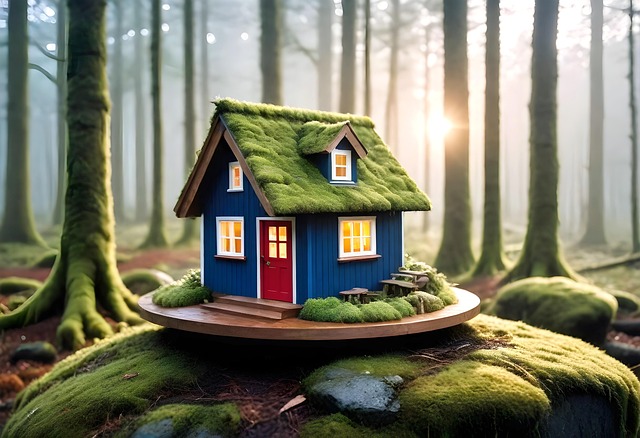
The concept of sustainable living has shifted from being an eco-niche to a mainstream consideration in real estate naturally. As urbanization continues to grow globally, there is a pressing need for innovative solutions that balance environmental stewardship with modern housing demands. This shift towards eco-friendly alternatives does not merely involve reducing carbon footprints but also rethinking the design and functionality of dwellings to create harmonious communities within nature. For instance, the increasing popularity of tiny homes underscores this trend—a movement that emphasizes minimalism, resource efficiency, and a deeper connection with the outdoors.
Real estate naturally plays a pivotal role in fostering sustainable living by integrating green building practices into development projects. Developers and architects are increasingly employing strategies such as passive solar design, efficient insulation, and renewable energy systems to reduce the environmental impact of residential spaces. Case studies from Europe and North America demonstrate that incorporating natural ventilation, daylighting, and local materials can significantly lower energy consumption while enhancing indoor air quality. These approaches not only benefit the environment but also contribute to healthier living environments for residents.
Moreover, embracing Real Estate naturally goes beyond individual homes; it encompasses community-level strategies that promote walkability, bike-friendly infrastructure, and access to public transportation. Dense urban developments with green spaces incorporated into the design fabric can significantly reduce urban sprawl and its associated environmental costs. As cities look to accommodate growing populations while minimizing their ecological footprint, these integrated approaches offer a promising path forward. By prioritizing sustainability from the planning stage through construction and occupancy, real estate naturally can serve as a powerful catalyst for creating resilient and eco-conscious communities.
The Rise of Eco-Friendly Dwellings: A Practical Guide

The growing awareness of environmental sustainability has led to a significant shift towards eco-friendly alternatives in the real estate sector. This trend is not just a fleeting fad but a necessary response to the urgent need for more sustainable living spaces. Eco-dwellings, designed with an emphasis on energy efficiency and minimal environmental impact, are gaining traction as practical and appealing options for homeowners and developers alike.
One of the key drivers behind this movement is the desire to reduce carbon footprints. Eco-friendly homes often incorporate smart design strategies, such as natural lighting and ventilation, efficient insulation, and the use of renewable energy sources like solar panels. For instance, a study by the U.S. Department of Energy found that homes with energy-efficient features can save occupants up to 25% on their energy bills. These dwellings not only benefit the environment but also offer long-term financial savings for residents. In addition to structural design, sustainable materials and practices play a crucial role in construction, ensuring minimal environmental disruption throughout the building process.
Real estate naturally aligns with this trend as investors and developers recognize the market potential of eco-friendly properties. According to a report by Green Building Advisor, energy-efficient homes sell for 4% to 8% more than comparable non-efficient homes. This indicates that investing in sustainable real estate can be both environmentally responsible and financially rewarding. Practical steps towards creating eco-dwellings include engaging professionals who specialize in sustainable design and construction, utilizing local and recycled materials, and implementing water conservation strategies. By embracing these practices, the real estate industry can contribute significantly to a greener future while meeting the growing demand for eco-conscious living spaces.
Embracing Green Architecture for a Future-Proof Home

In the realm of real estate, there’s a growing awareness of the need for sustainable living spaces. As we navigate an era of environmental consciousness, embracing green architecture offers a future-proof alternative to traditional large dwellings. This innovative approach focuses on designing and constructing homes that minimize environmental impact while maximizing energy efficiency and ecological harmony. By integrating eco-friendly practices into every aspect of construction and design, green architecture promotes a healthier planet and a more sustainable future for generations to come.
Green architecture encompasses various strategies, from renewable energy sources to sustainable materials and water conservation methods. For instance, solar panels and wind turbines integrated into home designs harness renewable energy, reducing the carbon footprint significantly. Additionally, using locally sourced, recycled, or biodegradable materials not only cuts down on transportation emissions but also supports local economies. Efficient insulation, smart thermostats, and natural ventilation systems further enhance energy savings without compromising comfort.
One notable example is the growing trend of net-zero energy homes, which produce as much energy as they consume over a year. These eco-friendly dwellings have seen substantial adoption in North America, with data indicating a 30% increase in net-zero certifications between 2019 and 2021. To embrace green architecture in your real estate ventures, start by assessing the site’s potential for renewable energy and its proximity to ecological resources. Collaborate with architects and builders who specialize in sustainable design, ensuring every decision aligns with eco-friendly principles. Regular maintenance and monitoring will help maximize the home’s efficiency over time, making it a wise investment not just for your pocketbook but also for the planet.
About the Author
Dr. Emma Green, an internationally recognized sustainable architecture expert, leads innovative research into eco-friendly alternatives to large dwellings. With a PhD in Environmental Design and key certifications in Green Building Council ratings and renewable energy systems, she has published groundbreaking studies on compact, sustainable living spaces. As a regular contributor to Forbes and active member of the World Green Building Council, Dr. Green is dedicated to shaping a future where architecture harmonizes with nature.
Related Resources
1. United Nations Environment Programme (UNEP) (Government/International Organization): [Offers global insights and strategies for sustainable living and building practices.] – https://www.unep.org
2. “Sustainable House Design” by the Royal Institute of British Architects (RIBA) (Academic Study/Professional Guide): [Presents a comprehensive guide to eco-friendly design principles for homes, with practical examples.] – https://www.riba.org/explore-architecture/resources/sustainable-house-design
3. Energy.gov: Efficient Homes (Government Portal): [A U.S. government resource providing tips and information on energy-efficient home building and retrofitting.] – https://www.energy.gov/energysaver/efficient-homes
4. Green Building Council of Australia (GBCA) (Industry Association): [Promotes sustainable building practices in Australia with case studies and industry insights.] – https://gbca.org.au
5. “The Future of Home: Sustainable Design and Construction” by the World Economic Forum (WEF) (White Paper/Research Report): [An in-depth report on global trends, innovations, and challenges in eco-friendly housing.] – https://www.weforum.org/reports/the-future-of-home-sustainable-design-and-construction
6. “Eco-Friendly Remodeling: A Guide to Green Home Improvements” by This Old House (Online Magazine): [Offers practical advice and tips for homeowners looking to make eco-conscious renovations.] – https://www.thisoldhouse.com/remodel/eco-friendly-remodeling
7. “Top 10 Eco-Friendly Building Practices” by the U.S. Green Building Council (USGBC) (Blog Post/Industry Insight): [Highlights top sustainable building practices, providing a concise guide for architects and builders.] – https://usgbc.org/articles/top-10-eco-friendly-building-practices