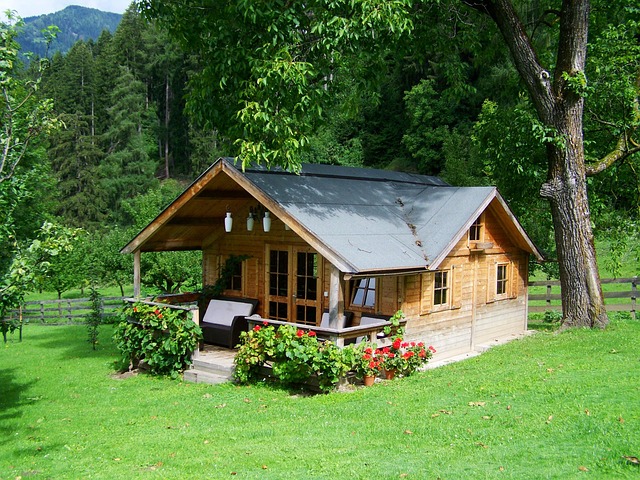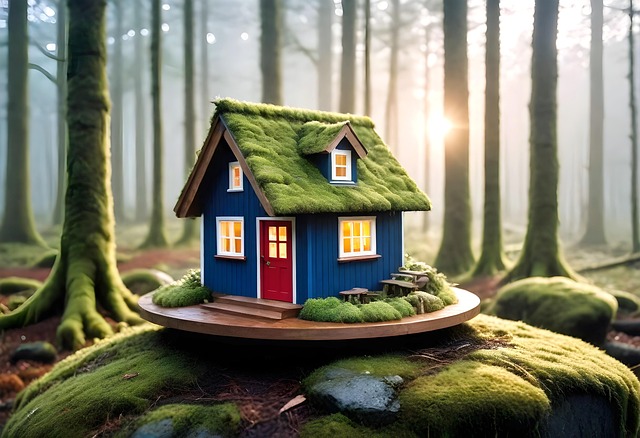
Sustainable living in real estate is driven by minimalist homes that prioritize simplicity, functionality, and eco-friendliness. These homes use natural lighting, efficient appliances, and energy-saving tech to reduce environmental impact and lower living costs. Downsizing trends help buyers afford these properties while shrinking their carbon footprint. Real estate professionals must understand shifting consumer preferences and technological advancements in listings to make informed decisions in a competitive market.
In today’s digital era, eco-conscious buyers are increasingly seeking sustainable living options without compromising affordability. This trend is driving a shift towards minimalist homes, which not only reduce environmental impact but also align with real estate goals of cost efficiency and space optimization. We explore strategies like downsizing, smart design, and innovative building practices to uncover how minimal footprint can meet affordability targets, offering both green and financial benefits for savvy buyers.
Sustainable Living: Minimalist Homes for Eco-Conscious Buyers
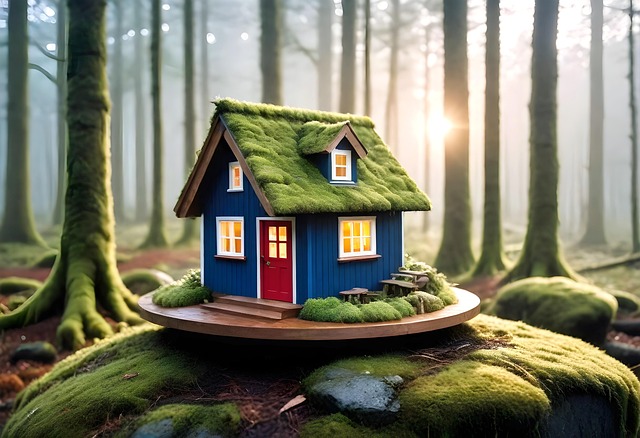
Sustainable living has become a top priority for many eco-conscious buyers in the real estate market. Minimalist homes are leading this trend, offering both reduced environmental impact and affordable pricing. These thoughtfully designed spaces prioritize simplicity and functionality, eliminating excess materials and energy-guzzling features. By embracing minimalism, builders and developers can create homes that are not only budget-friendly but also environmentally friendly.
This shift towards sustainability in real estate aligns with a growing consumer demand for eco-friendly options without compromising affordability. Minimalist homes often incorporate natural lighting, efficient appliances, and energy-saving technologies, reducing the carbon footprint while keeping living costs low. As consumers become more aware of their environmental impact, this trend is poised to shape the future of real estate, making sustainable living accessible and attractive to a broader audience.
Affordability Strategies: Downsizing for a Greener Future

In today’s real estate landscape, affordability strategies are evolving to meet both financial goals and environmental concerns. One effective approach is downsizing, which allows individuals and families to reduce their carbon footprint while achieving cost savings. By opting for smaller properties or apartments, buyers can lower energy consumption associated with larger living spaces, contributing to a greener future. This trend not only benefits the environment but also aligns with changing consumer preferences for sustainable living.
Downsizing encourages a more mindful approach to homeownership, where every decision is weighed against its impact on both personal well-being and the planet’s health. As a result, real estate developers are responding by offering compact yet functional designs that prioritize efficiency and eco-friendliness. This shift towards affordability through downsizing presents an exciting opportunity to create sustainable communities while ensuring financial accessibility for a broader range of buyers.
Smart Design: Maximizing Space, Minimizing Cost