
In today's digital era, minimalism in real estate offers a lifestyle choice that reduces costs and environmental impact. This trend promotes open concepts, natural light, and smart storage, fostering calmness and adaptability. Architects embrace compact planning, modular floor plans, and vertical gardens to maximize space efficiency, making smaller, low-maintenance units desirable. Sustainable practices like energy-efficient designs, water conservation, and green roofing reduce operational costs over time, attracting eco-conscious buyers and renters.
In today’s fast-paced world, achieving both minimal living and affordable housing is a winning strategy. This article explores how a minimalist approach can revolutionize real estate, offering not just style but also substantial cost savings. We’ll uncover design strategies that maximize space efficiency, incorporate sustainable practices to reduce utility bills, and ultimately make your home both eco-friendly and budget-friendly. Unlocking these secrets can redefine affordable living.
Unlocking Affordable Living: Minimalist Approach
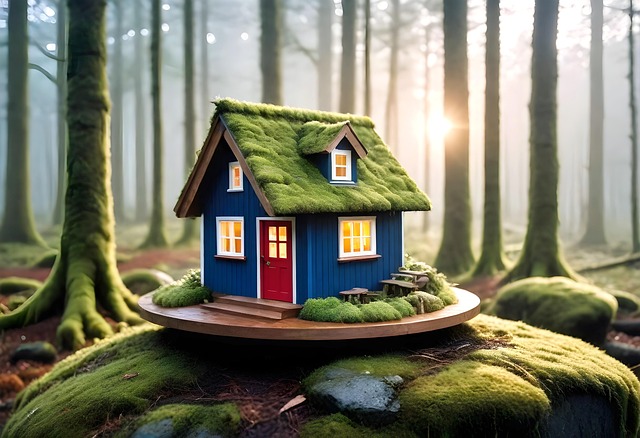
In today’s digital era, the minimalist movement is not just a design trend but a lifestyle choice that’s gaining traction in the real estate world. Unlocking affordable living starts with embracing minimalism, which emphasizes simplicity and ownership of only the essentials. This approach translates directly to smaller, more manageable spaces that require less maintenance and, consequently, lower costs. By downsizing and simplifying their living arrangements, individuals and families can achieve financial goals while reducing their environmental impact.
A minimalist aesthetic promotes open-concept layouts with natural lighting, smart storage solutions, and uncluttered environments. These design elements not only create a sense of calm but also make spaces more versatile and adaptable. In real estate, this means smaller units or homes that offer maximum functionality, encouraging residents to live thoughtfully and within their means. Embracing minimalism is a powerful strategy to achieve both personal and environmental sustainability in the ever-evolving urban landscape.
Design Strategies for Space Efficiency

In the realm of real estate, achieving a minimal footprint while maintaining affordability goals requires innovative design strategies focused on space efficiency. Architects and developers are leveraging smart layouts, multi-functional spaces, and compact designs to maximize living areas within reduced square footage. This approach not only minimizes construction and land use but also aligns with modern lifestyles that prioritize flexibility and simplicity.
By integrating these strategies, properties can offer more value per square meter, making them attractive to budget-conscious buyers and tenants. From modular floor plans that allow for easy reconfiguration to the incorporation of vertical gardens and shared amenities, these design choices enhance both environmental sustainability and financial viability. Such tactics are revolutionizing the real estate landscape, demonstrating that minimalism and affordability can coexist harmoniously.
Sustainable Practices Reduce Costs

In the realm of real estate, sustainable practices are not just a trend but a game-changer for affordability. By adopting eco-friendly measures, developers and property owners can significantly reduce operational costs over time. For instance, energy-efficient building designs, utilizing natural lighting and insulation, decrease utility expenses. Additionally, implementing water conservation strategies, such as low-flow fixtures and rainwater harvesting systems, lowers water bills. These practices not only benefit the environment but also attract eco-conscious tenants or buyers who are willing to pay a premium for sustainable homes.
Moreover, embracing sustainable materials and construction techniques can cut down on maintenance costs. Long-lasting, locally sourced materials reduce the need for frequent replacements. Green roofing systems, for example, provide insulation, minimize heat loss, and reduce the urban heat island effect, thus lowering cooling costs. As these practices gain traction, real estate professionals can stay ahead of the curve by integrating sustainability into their projects, ensuring long-term affordability while meeting the growing demand for environmentally friendly living spaces.