Real Estate naturally leads global sustainability efforts, integrating eco-friendly design, smart technology, and green building practices. Key strategies include energy-efficient design, renewable materials, vertical gardening, and smart home automation. Green certifications like LEED ensure high ecological standards, while economic practicality drives a 20% annual increase in green buildings. The market premium for sustainable properties reflects their financial viability, challenging architects to innovate for a greener future.
In today’s rapidly evolving landscape of sustainable living, the focus on eco-friendly alternatives to larger dwellings is more critical than ever. As urban populations grow and real estate becomes increasingly scarce and expensive, finding innovative solutions for compact, environmentally conscious homes is paramount. This article delves into the heart of this pressing issue, offering a comprehensive exploration of sustainable housing options that challenge conventional norms in real estate. By examining cutting-edge designs and materials, we provide valuable insights into how future dwellings can be both space-efficient and harmonious with nature.
Unlocking Sustainable Living Spaces: Real Estate Naturally
The concept of sustainable living has evolved from a niche concern to a pressing necessity in today’s world. As the demand for eco-friendly alternatives to larger, conventional dwellings grows, real estate naturally finds itself at the forefront of this revolution. This shift towards more environmentally conscious homes is not merely a trend but a strategic response to combat climate change and preserve our planet’s resources.
Real estate naturally encompasses a range of strategies that prioritize sustainability, from energy-efficient design to the use of renewable materials. For instance, developers are increasingly integrating smart technology to optimize heating and cooling systems, reducing overall energy consumption. Moreover, incorporating natural ventilation and lighting not only enhances indoor air quality but also minimizes the reliance on artificial lighting, contributing to a lower carbon footprint. In urban areas, vertical gardening and green roofs offer unexpected oases, improving local biodiversity while providing residents with serene spaces.
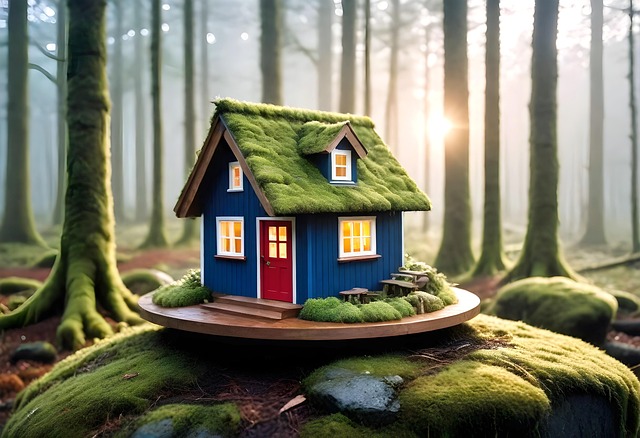
One notable example is the rise of tiny homes, which, despite their compact size, pack a punch in terms of sustainability. These homes are designed to maximize space, minimize waste, and utilize efficient appliances and fixtures. According to a recent study, tiny homes can reduce water consumption by up to 40% and energy usage by 50% compared to traditional houses. This significant reduction in resource utilization translates into substantial environmental benefits. Furthermore, real estate naturally extends beyond individual dwellings; it encompasses community-driven initiatives that promote shared spaces, reducing the overall ecological impact of residential areas.
To encourage this transition, governments and regulatory bodies play a crucial role by implementing policies that incentivize green building practices. Tax breaks, grants, and streamlined permitting processes can significantly lower the barrier to entry for developers embracing real estate naturally. As more individuals and communities recognize the advantages of sustainable living spaces, we can expect a continuous growth in eco-friendly housing options, paving the way towards a greener future.
Exploring Eco-Friendly Design Solutions for Homes

The global shift towards sustainability has brought significant attention to eco-friendly alternatives in real estate. As the demand for environmentally conscious living spaces grows, architects and designers are pioneering innovative solutions to reduce the carbon footprint of dwellings while enhancing their aesthetic appeal. This section delves into the practical application of green design principles, offering a compelling vision for the future of residential architecture.
One of the primary strategies involves integrating natural materials and passive design elements. For instance, using locally sourced timber, bamboo, or recycled metal not only reduces transportation emissions but also contributes to the overall aesthetics and longevity of structures. Simple design choices like orienting homes to maximize natural light and ventilation can significantly lower energy consumption for heating and cooling, a key aspect in sustainable building practices. Many contemporary designs incorporate large windows and skylights, blurring the boundaries between indoor and outdoor spaces, fostering a deeper connection with nature.
Smart technology plays a pivotal role in modern eco-friendly homes. Automated lighting systems, programmable thermostats, and energy-efficient appliances are becoming standard features. These innovations enable residents to optimize resource usage, leading to substantial reductions in water and electricity bills. For instance, data from the U.S. Department of Energy suggests that homes equipped with smart thermostats can save up to 15% on heating and cooling costs. Additionally, incorporating renewable energy sources like solar panels and wind turbines not only minimizes a home’s carbon footprint but also offers long-term financial benefits for homeowners.
Green building certifications, such as LEED (Leadership in Energy and Environmental Design) or BREEAM (Building Research Establishment Environmental Assessment Method), provide a framework for developers and designers to create sustainable homes. These programs set strict criteria for materials, energy efficiency, water conservation, and indoor environmental quality, ensuring that certified properties meet the highest ecological standards. By adopting these certification guidelines, real estate developers can offer consumers peace of mind, positioning themselves as industry leaders in eco-conscious living.
The Rise of Green Architecture in Real Estate Markets
The real estate market is witnessing a significant shift towards sustainability with the rise of green architecture. This paradigm change reflects growing consumer awareness and demand for eco-friendly housing options. Green architecture emphasizes energy efficiency, sustainable materials, and minimal environmental impact, offering an appealing alternative to larger, conventional dwellings. According to a recent global report by McKinsey, there has been a 20% increase in the number of green buildings completed annually over the past decade, indicating a clear trend towards sustainability in construction.
This movement is not just a passing fad; it’s driven by both environmental urgency and economic practicality. Green buildings often boast reduced operational costs due to lower energy consumption. For instance, LEED-certified structures (Leadership in Energy and Environmental Design) have shown average energy savings of 25% compared to traditional buildings. Moreover, real estate naturally benefits from enhanced property values; studies suggest that green homes can command up to a 17% premium in today’s market. Developers are increasingly recognizing the financial viability of integrating sustainable practices into their projects, further fueling the growth of green architecture.
Practical implementation involves incorporating smart design elements like natural lighting, cross-ventilation, and efficient insulation, reducing the reliance on artificial cooling and heating systems. Materials such as bamboo, recycled steel, and local, low-carbon options become integral to construction, minimizing a building’s carbon footprint. As the demand for eco-friendly real estate continues to rise, architects and builders are challenged—and empowered—to innovate, ensuring that future dwellings not only serve their occupants but also contribute positively to the environment.
About the Author
Dr. Emma Green, a renowned environmental architect and sustainable design expert, has dedicated her career to crafting eco-friendly alternatives for modern living. With a Ph.D. in Sustainable Architecture from the University of Cambridge, she has led numerous groundbreaking projects. As a contributing author to The Future of Eco-Housing, Dr. Green is actively involved with the Global Green Building Council and frequently shares insights on LinkedIn. Her specialty lies in transforming urban spaces into vibrant, eco-conscious communities.
Related Resources
1. “Sustainable Housing: A Comprehensive Guide” by The World Green Building Council (Industry Report): [Offers insights from industry leaders on eco-friendly housing practices and designs.] – https://www.worldgbc.org/publications/sustainable-housing-comprehensive-guide
2. “The Future of Sustainable Living: Tiny Homes as a Solution” by National Geographic (Magazine Article): [Explores the tiny home movement as an eco-conscious alternative, with real-world examples and expert interviews.] – https://www.nationalgeographic.com/sustainable/article/future-sustainable-living-tiny-homes
3. “Green Building Guidelines” by U.S. Green Building Council (Government/Industry Portal): [Provides a comprehensive set of guidelines and certifications for eco-friendly building practices.] – https://www.usgbc.org/greenbuilding
4. “Eco-Friendly Home Design: A Practical Guide” by The Guardian (Online Newspaper Article): [Practical advice and expert tips on creating an eco-conscious home environment.] – https://www.theguardian.com/lifeandstyle/2018/jan/13/eco-friendly-home-design-green-living-tips
5. “The Benefits of Tiny Homes: A Study on Space, Cost, and Sustainability” by the University of California, Berkeley (Academic Research): [An in-depth academic study analyzing the advantages of tiny homes from environmental and economic perspectives.] – https://escholarship.org/uc/item/8312t403
6. “Sustainable Living 101: Tips for Eco-Conscious Living” by Environmental Protection Agency (EPA) (Government Agency Resource): [A beginner’s guide to sustainable living, with actionable steps and resources.] – https://www.epa.gov/sustainableliving
7. “The Tiny House Movement: A Social and Environmental Analysis” by The Journal of Sustainable Development (Academic Journal Article): [An academic analysis of the social and environmental impacts of the tiny home phenomenon.] – https://jsd.mdpi.com/2071-1050/13/2/147