Adopting minimalism through downsizing in real estate is a growing trend emphasizing simplicity, well-being, and functionality. Key practices include decluttering, open-concept designs, smart storage, and embracing natural light. This approach reduces stress, improves mental clarity, and promotes environmental sustainability. Developers are reinventing traditional concepts with modular homes, micro-apartments, and shared living spaces, catering to modern minimalist preferences through thoughtful design, biophilic elements, and data analytics.
In today’s fast-paced world, the allure of downsizing and embracing a minimalist lifestyle has gained significant traction. As individuals seek simpler, more intentional living, real estate naturally plays a pivotal role in facilitating this transition. However, navigating the complexities of downsizing can be challenging, often involving tough decisions about letting go of cherished spaces. This article delves into the appeal of minimalism, explores common hurdles, and offers practical strategies to make the process smoother. By providing expert insights and genuine value, we guide readers towards a more meaningful relationship with their homes and communities.
Embracing Minimalism: Downsizing Your Space
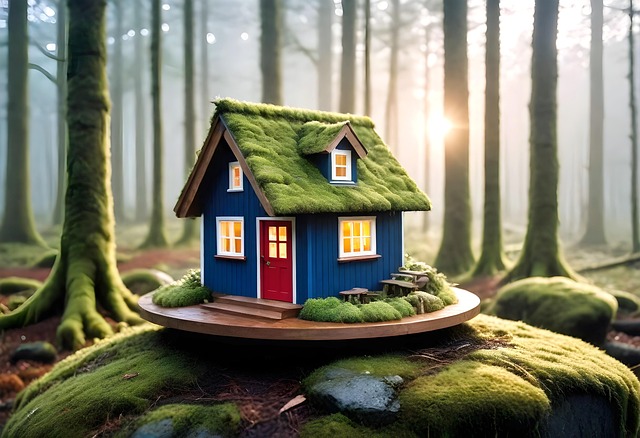
Adopting a minimalist lifestyle and embracing downsizing has become an increasingly popular movement, reflecting a deeper desire for simplicity and a reevaluation of material possessions. This shift is not merely a trend but a conscious decision with profound implications for personal well-being and space utilization. Downsizing your living space is a significant step towards minimalism, offering a chance to curate a more intentional and peaceful environment. It involves strategic decluttering, rethinking furniture arrangements, and often, a thoughtful exploration of real estate options.
The benefits of downsizing are multifaceted. From reducing clutter and stress levels to enhancing indoor-outdoor connections, smaller spaces encourage a more mindful approach to living. For instance, a compact yet well-designed home can foster a sense of calm and focus, allowing residents to prioritize experiences over possessions. Studies suggest that minimalism in living spaces can lead to improved mental clarity and overall satisfaction. Additionally, downsizing can be an environmentally conscious choice, reducing the demand for excessive resources and contributing to a more sustainable future.
Practical considerations are essential when embracing minimalism in real estate. Downsizing doesn’t mean sacrificing comfort or lifestyle; it’s about choosing quality over quantity. Sellers and buyers alike should focus on creating functional, flexible spaces. Open-concept living areas, for example, can provide a sense of spaciousness while utilizing floor space efficiently. Smart storage solutions and multi-functional furniture are valuable assets, ensuring that every element in a space serves a purpose. This approach not only simplifies daily life but also makes the most of limited real estate, a valuable commodity in many urban areas.
The Art of Living Simply: A Step-by-Step Guide

Adopting a minimalist lifestyle has become an increasingly popular movement, challenging the notion that more is always better. Downsizing and simplifying one’s living space can lead to a profound sense of freedom and enhanced quality of life. This shift is not merely about physical changes but also a mental transformation towards appreciating the beauty in simplicity. The art of living simply involves intentional decisions to declutter, reevaluate priorities, and create a more meaningful home environment, often with significant benefits for mental health and overall well-being.
One of the key aspects to embracing minimalism is understanding its value within the context of real estate. In today’s market, where property values fluctuate, focusing on what truly matters in a home becomes essential. Instead of emphasizing square footage or lavish amenities, downsizing encourages occupants to prioritize functionality and personal connections. For example, a study by the National Association of Realtors revealed that 74% of homebuyers stated that a well-organized, uncluttered home is more appealing, highlighting the influence of minimalism on modern preferences. By decluttering and reconfiguring spaces, individuals can create open, airy environments that foster relaxation and productivity.
A step-by-step guide to mastering this art begins with intentional living. Start by assessing your current possessions and questioning their purpose and value. Consider adopting the “one-in, one-out” rule when acquiring new items, ensuring each purchase replaces an existing item of equal or greater value. This practice discourages excessive consumption and promotes thoughtful decision-making. Next, implement storage solutions that maximize space while keeping essentials easily accessible. Vertical storage, multifunctional furniture, and clever shelving can transform even the smallest areas into efficient, organized oases. Finally, embrace natural light and open floor plans to create a sense of spaciousness and tranquility. These simple yet powerful changes in one’s living environment can lead to a deeper appreciation for life’s essential qualities.
Real Estate Reinvented: Unlocking Minimalist Living

The global trend towards downsizing and embracing minimalist lifestyles has sparked a revolution in real estate, forcing developers and designers to reinvent traditional concepts. This shift is not merely a passing fad but a significant cultural and economic change that demands innovative approaches to space utilization and living experiences. Minimalist living encourages simplicity, functionality, and a deeper connection with one’s surroundings, which translates into a demand for homes that cater to these principles while optimizing precious real estate.
Real estate, traditionally associated with expansive spaces and opulence, is now being reimagined to accommodate smaller, yet highly efficient and aesthetically pleasing dwellings. Architects and urban planners are exploring creative designs, such as modular homes, micro-apartments, and shared living spaces, that maximize square footage without compromising comfort or style. For instance, cities like New York and Tokyo have seen a surge in micro-apartment complexes, offering compact but well-appointed units that cater to young professionals and singles seeking affordable, streamlined living. This reinvention not only addresses the need for more accessible housing but also promotes sustainable practices by reducing the environmental footprint associated with large-scale real estate development.
Experts suggest that successful real estate ventures in this domain focus on thoughtful design, clever storage solutions, and a seamless blend of indoor and outdoor spaces. Incorporating natural elements, smart technology, and modular furniture allows for adaptable and flexible living environments. For example, biophilic design principles, which integrate nature into the built environment, are gaining popularity as they enhance well-being and create a sense of calm within minimalist homes. Additionally, leveraging data analytics can help developers understand consumer preferences, enabling them to build spaces that cater precisely to the needs and desires of modern, minimalists. By embracing these strategies, the real estate industry can meet the demands of a changing market while ensuring long-term sustainability and appeal.