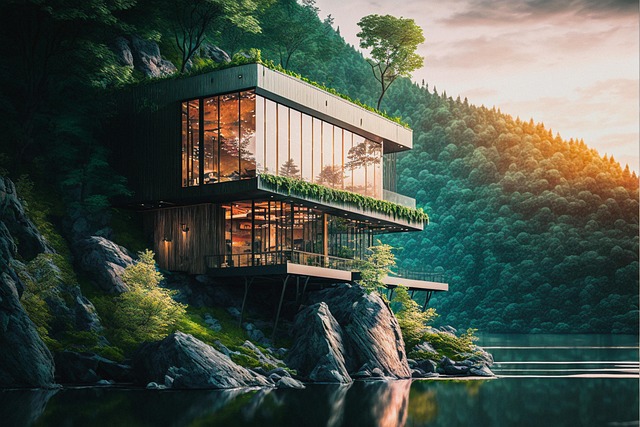
Real estate developers face a critical task: balancing affordability and environmental sustainability. Key strategies include compact designs, efficient land use, renewable energy integration, and water conservation. Early planning, collaboration with experts, and community engagement streamline sustainable practices. Green building materials and smart home tech reduce costs and carbon footprints without sacrificing affordability. These innovations contribute to accessible housing while minimizing the sector's environmental impact.
In the dynamic landscape of real estate, balancing environmental sustainability with affordability presents a significant challenge. As urban areas expand and demand soars, minimizing development’s ecological footprint while maintaining cost-effectiveness is more crucial than ever. This article delves into innovative strategies that prove size and sustainability needn’t be mutually exclusive. We explore how developers and architects are navigating this complex equilibrium, offering practical solutions that not only reduce environmental impact but also contribute to more accessible housing. By examining these approaches, we aim to provide valuable insights for professionals seeking to create responsible, affordable real estate projects.
Reducing Environmental Impact in Real Estate Development

In real estate development, balancing environmental sustainability with affordability has long been a complex challenge. However, minimizing the ecological footprint of projects can also align with achieving cost-effectiveness goals, creating a win-win scenario for both the environment and developers’ bottom lines. This shift towards more sustainable practices is not only ethical but also responds to growing consumer demand for eco-friendly housing options.
Reducing environmental impact in real estate development involves several key strategies. One primary approach is efficient land use. Smart, compact designs that maximize space not only minimize the need for expansive plots but also reduce material and construction waste. For instance, high-density urban housing projects can accommodate more residents within a smaller footprint, lowering per-unit development costs while preserving green spaces. Additionally, leveraging existing infrastructure—such as transportation networks, water supply lines, and utility services—can significantly cut down on new investments, thereby reducing the overall environmental impact and financial burden.
Another effective strategy is the implementation of energy-efficient building systems. Incorporating renewable energy sources like solar panels, combined heat and power systems, and efficient lighting can drastically lower a property’s carbon footprint and operational costs over time. According to the U.S. Department of Energy, buildings that incorporate energy-efficient features can reduce energy consumption by 20–50% compared to traditional structures. Moreover, water conservation measures, such as low-flow fixtures and greywater recycling systems, not only help preserve this precious resource but also offer significant cost savings for developers and homeowners alike.
In terms of practical advice, real estate developers should prioritize ecological design from the initial planning stages. Engaging with experts in sustainable architecture and engineering ensures that green building principles are seamlessly integrated into project designs. Regular reviews and updates to construction practices can also help identify areas for improvement, ensuring ongoing environmental responsibility. By embracing these strategies, the real estate industry can move towards a more sustainable future while meeting affordability goals, ultimately contributing to healthier communities and a greener planet.
Achieving Affordability Without Compromising Sustainability
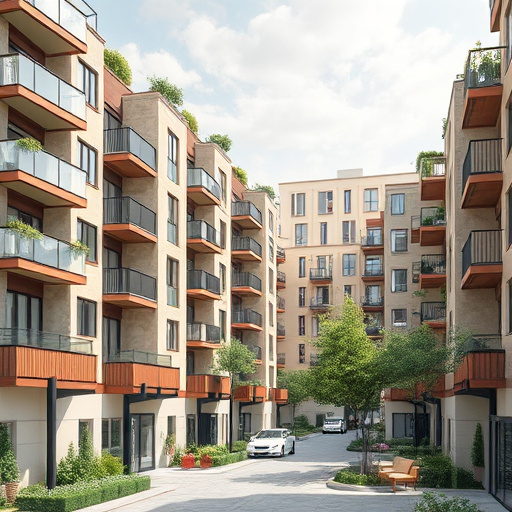
In the realm of real estate, achieving affordability without compromising sustainability is a growing priority. This dual goal presents a significant challenge, but innovative strategies are emerging to meet it head-on. Developers and urban planners are increasingly adopting minimal footprint principles, focusing on efficient use of resources and eco-friendly design, while simultaneously ensuring units remain within budget reach. For instance, high-density housing projects in urban centers have been successful in both respects; compact living spaces maximize square footage utilization, and shared amenities reduce overall environmental impact.
A key aspect of this approach is the integration of sustainable materials and technologies. Utilizing locally sourced, recycled, or low-emission materials not only reduces a project’s carbon footprint but can also contribute to affordability by minimizing transportation costs. Smart home technology plays a complementary role; energy-efficient appliances, lighting, and heating systems lower operational expenses while providing tenants with modern conveniences. These strategies have been proven effective; according to a recent study, green buildings often command higher rents due to their appeal to eco-conscious tenants, yet they consistently demonstrate lower operating costs over time.
Practical advice for achieving this balance includes engaging architects and engineers early in the design phase to optimize space and energy efficiency. Collaborating with local authorities on building codes and incentives can also streamline sustainable practices without compromising affordability. Additionally, community engagement is vital; involving residents in waste reduction, recycling, and energy conservation programs fosters a sense of shared responsibility for both environmental sustainability and financial well-being. Ultimately, embracing minimal footprint principles in real estate not only contributes to a greener future but ensures that affordable housing remains accessible to all.
Strategies for Low-Footprint, Cost-Effective Housing Solutions

The pursuit of affordable housing has long been a challenge within the real estate sector, yet the demand remains steadfast, especially in densely populated urban areas. Amidst this need, minimizing environmental impact through sustainable practices has emerged as a crucial consideration. The good news is that cost-effective housing solutions can go hand in hand with low-footprint strategies, creating win-win scenarios for both developers and the environment. By adopting innovative approaches, it’s possible to build homes that are not only budget-friendly but also leave a minimal mark on the planet.
One proven strategy involves the implementation of compact living designs. Smaller homes reduce material requirements and minimize construction waste, lowering environmental impact while keeping costs manageable. For instance, tiny house movements have gained traction globally, showcasing how minimalism can be aesthetically pleasing and functional. These homes often incorporate smart storage solutions, modular construction, and energy-efficient systems, making them both sustainable and affordable. In cities with limited land, vertical housing options like high-rise apartments or mixed-use developments can maximize space while minimizing the footprint on the ground.
Additionally, incorporating green building materials and technologies is a key component of low-footprint housing. Developers can opt for locally sourced, recycled, or sustainable materials such as bamboo, reclaimed wood, or natural insulators like sheep’s wool. Solar panels, wind turbines, and greywater recycling systems are other examples of cost-effective, eco-friendly technologies that can be integrated into residential projects. According to a study by the U.S. Department of Energy, homes incorporating energy-efficient features use 20-50% less energy than conventional ones, significantly reducing operating costs over time. By prioritizing these strategies, real estate developers can create affordable housing that aligns with sustainability goals, ensuring a brighter and more environmentally conscious future.