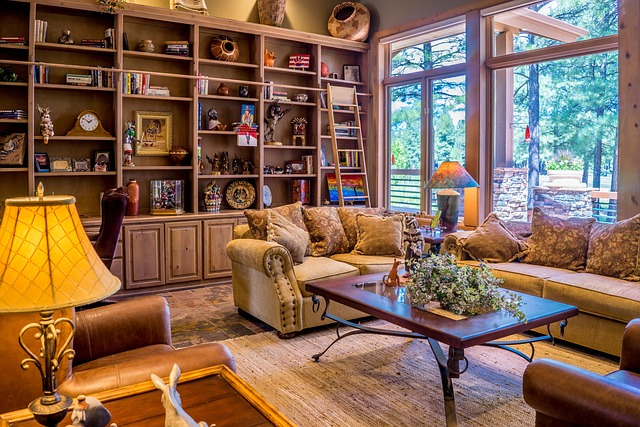
Strategic approaches to minimalist living within affordability goals in real estate include downsizing to smaller spaces (under 1000 sq. ft.), smart design choices for space optimization and efficiency, flexibility through co-living and remote work, and embracing sustainability with eco-friendly practices like LEED certification, energy-efficient materials, native vegetation, and modular construction techniques. The future of urban living emphasizes minimalism, affordability, and environmental responsibility, with innovative designs, shared spaces, vertical gardens, and renewable energy systems in densely populated areas.
In the dynamic realm of real estate, balancing environmental sustainability with affordability presents a significant challenge. The growing demand for housing, coupled with concerns over climate change, necessitates innovative strategies to minimize our ecological footprint while maintaining economic viability. This article delves into the intersection of minimalism and affordability in real estate, exploring how thoughtful design choices and sustainable practices can deliver both financial benefits and environmental stewardship. By examining successful models and providing practical insights, we aim to equip professionals and enthusiasts with valuable knowledge to shape a greener future for the industry.
Strategies for Achieving Minimalist Living in Real Estate
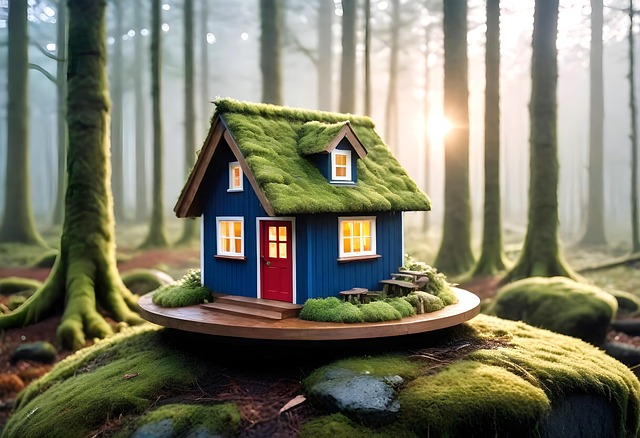
Achieving minimalist living within affordability goals requires a strategic approach, especially when considering real estate. The key lies in aligning compact living spaces with thoughtful design principles, leveraging technology for efficiency, and adopting flexible lifestyles. For instance, downsizing from a large family home to a smaller, modern apartment or townhouse can significantly reduce both initial purchasing costs and ongoing maintenance expenses. According to recent studies, homes under 1000 square feet are gaining popularity, offering a balance between comfort and affordability that resonates with contemporary lifestyle preferences.
In terms of real estate, smart design choices play a pivotal role in maximizing limited spaces. Incorporating modular furniture, built-in storage solutions, and multi-functional items not only saves space but also streamlines daily routines. Additionally, natural lighting and clever use of mirrors can create the illusion of more room, enhancing the overall ambiance. Technologies like smart home systems enable residents to control lighting, temperature, and security remotely, contributing to both energy efficiency and a modern lifestyle.
Flexibility is another crucial strategy. Co-living spaces, for example, have gained traction as an affordable alternative to traditional rentals. Sharing common areas and amenities reduces individual costs while fostering a sense of community. Furthermore, remote work opportunities allow individuals to live in locations once considered too far from urban centers, further expanding housing choices without compromising on affordability. This shift towards more compact living has been accelerated by the pandemic, with many professionals now embracing the flexibility and cost savings associated with smaller homes or shared spaces.
The Intersection of Affordability and Sustainable Design
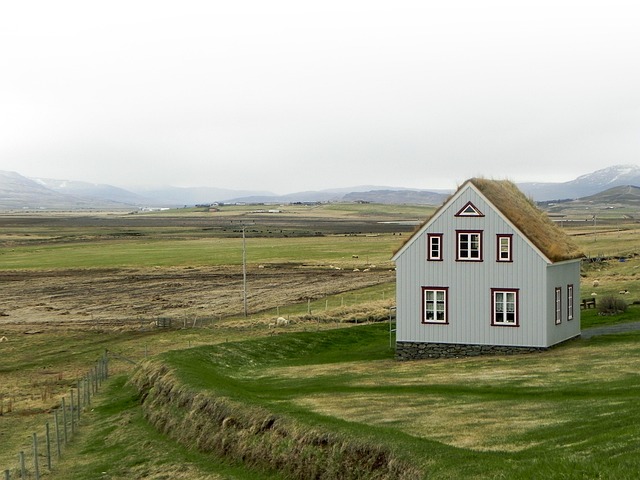
In the real estate sector, achieving both affordability and sustainable design has emerged as a multifaceted challenge and an opportunity for innovation. The intersection of these two goals is not merely a trend but a necessity driven by environmental awareness and economic practicality. As global attention shifts towards mitigating climate change, developers and architects are increasingly recognizing the potential of eco-friendly practices to reduce environmental impact while keeping housing accessible.
Sustainable design principles, when integrated into real estate development, can significantly minimize resource consumption and waste generation. For instance, energy-efficient building materials, natural lighting strategies, and water conservation mechanisms not only lower operational costs for homeowners but also contribute to a broader goal of carbon footprint reduction. A study by the U.S. Green Building Council reveals that LEED-certified buildings (a global standard for green building design) have shown average rent premiums of 3.4% compared to conventional alternatives, demonstrating market demand for affordable and sustainable housing. This trend is reinforced by consumer preferences for environmentally conscious products and services, which translate into stronger tenant retention and property values over time.
Practical implementation starts with comprehensive planning that considers local climate, available resources, and community needs. Incorporating native vegetation and green spaces not only enhances aesthetics but also supports biodiversity, while smart design choices like efficient floor plans maximize natural light and ventilation, reducing the need for artificial cooling or heating. Moreover, leveraging technology allows for precise monitoring of energy usage, enabling data-driven adjustments to optimize performance. For developers looking to balance affordability with sustainability, adopting modular construction techniques offers cost-effectiveness and speed, making it feasible to produce high-quality, eco-friendly homes at competitive prices. As the real estate industry continues to embrace these principles, a new generation of affordable housing is emerging—one that is not only economical but also environmentally responsible.
Real Estate Solutions for a Smaller, Smarter Future

The future of urban living demands a reevaluation of our relationship with real estate, one that prioritizes minimalism and affordability without compromising quality of life. As cities continue to grow, densely populated areas face increasing strain on resources, leading many to seek more sustainable alternatives. The concept of downsizing, both in terms of living spaces and overall environmental impact, is gaining traction as a viable solution. Real estate naturally plays a pivotal role in this transition, offering not just smaller homes but also innovative, eco-friendly designs that reduce our carbon footprint.
For instance, compact yet efficient micro-apartments are sprouting up in urban centers, catering to young professionals and retirees seeking simplified living. These spaces maximize every square foot, integrating smart storage solutions and open-concept layouts to create inviting, functional areas. Furthermore, the rise of modular construction and prefabricated homes provides an affordable, sustainable option for both new builds and renovations. By utilizing off-site manufacturing, these methods reduce construction waste and minimize on-site disruption, making them attractive choices for environmentally conscious buyers.
Real estate developers are also embracing the trend towards smaller, smarter spaces by rethinking traditional design elements. Open shared spaces, vertical gardens, and integrated renewable energy systems are becoming common features in new developments. These innovations not only reduce individual carbon footprints but also foster a sense of community among residents, aligning with the growing desire for more interconnected urban environments. Ultimately, embracing minimalism in real estate is about creating harmonious, sustainable living spaces that cater to evolving societal needs without compromising on comfort or accessibility.