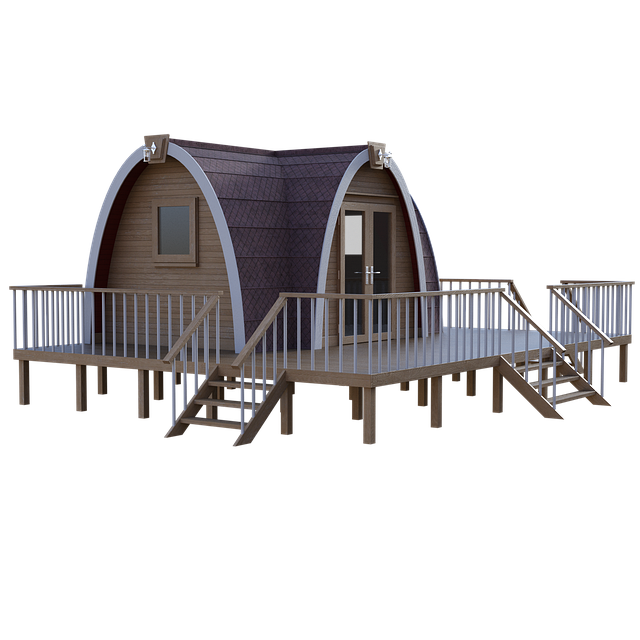
The sustainable living trend promotes eco-friendly housing alternatives, including tiny homes under 500 square feet, offering up to 50% energy savings and compact urban spaces. Smart design strategies maximize space and foster community. Real estate naturally plays a central role by providing these thoughtful spaces as viable lifestyle choices. Cities like Berlin and Chicago integrate green spaces with rooftop gardens and vertical forests, enhancing well-being, property values, and biodiversity, while aligning with growing environmental sustainability concerns. Developers prioritize native plant species, water conservation, and sustainable building practices to meet market demands.
In today’s rapidly evolving world, the demand for sustainable living spaces has surged, particularly within the realm of real estate. The need for eco-friendly alternatives to larger dwellings is more pressing than ever, given the environmental impact of traditional construction and energy-intensive homes. This article delves into innovative solutions that offer a harmonious balance between modern comfort and ecological responsibility. We explore how cutting-edge designs and materials are transforming the landscape of real estate, providing viable options for those seeking not just a home, but a sustainable sanctuary.
Unlocking Sustainable Living: Eco-Friendly Alternatives
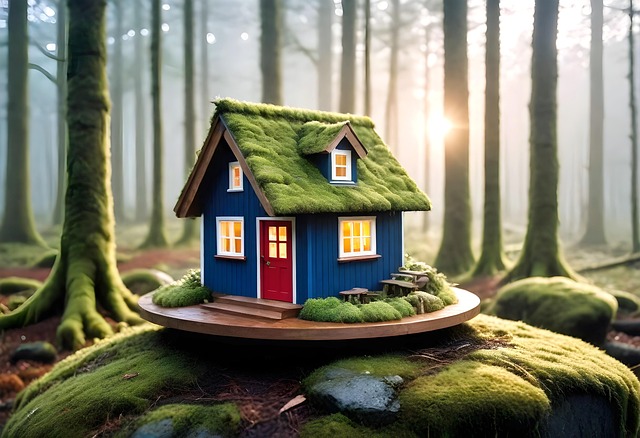
The shift towards sustainable living has led many to explore eco-friendly alternatives to larger dwellings, often associated with significant environmental and financial benefits. In today’s world, where real estate naturally intertwines with lifestyle choices, embracing compact yet thoughtful spaces can be a game-changer for both individuals and communities. This movement transcends mere design preferences; it’s a conscious decision to minimize the carbon footprint left by conventional housing.
One of the key advantages lies in resource efficiency. Smaller homes demand less energy for heating, cooling, and lighting, thereby reducing utility bills and greenhouse gas emissions. According to a study by the U.S. Department of Energy, a 50% reduction in home size can lead to an equally significant 50% drop in energy consumption. This is especially relevant in densely populated areas where infrastructure demands are high, and resources must be shared among many. Furthermore, downsizing encourages a more mindful approach to consumerism, promoting the idea of quality over quantity in both living spaces and personal possessions.
Practical insights for those considering this path include focusing on versatile designs that maximize space utilization. Modular homes and smart furniture solutions offer flexibility, allowing residents to adapt their living areas as needs change. For instance, a convertible sofa bed can transform a cozy den into a sleeping area when guests arrive. This versatility extends to outdoor spaces, where well-planned landscaping and multi-functional patios encourage year-round enjoyment without expanding the home’s footprint. By embracing these eco-friendly alternatives, individuals not only contribute to environmental sustainability but also cultivate a deeper connection with their surroundings, fostering a sense of community and harmony.
Exploring Tiny Homes: Real Estate Naturally

The concept of tiny homes has emerged as a compelling eco-friendly alternative to larger dwellings, offering a more sustainable approach to real estate naturally. This movement, driven by environmental consciousness and a desire for simpler living, challenges conventional notions of space and ownership. Tiny homes, typically defined as structures under 500 square feet, provide compact yet functional living spaces that minimize the environmental footprint associated with traditional housing.
One of the key advantages lies in their energy efficiency. With meticulous design and utilization of renewable energy sources, tiny homes can significantly reduce utility bills and carbon emissions. For instance, studies show that well-insulated tiny homes can achieve up to 50% energy savings compared to average-sized houses. Additionally, the smaller footprint translates to less land usage, preserving natural habitats and promoting sustainable urban development. This concept aligns perfectly with the growing trend towards eco-conscious living and real estate naturally, where individuals seek properties that harmonize with their environmental values.
In terms of practical insights, building a tiny home requires careful planning and innovation. Architects and builders are leveraging modular construction techniques and smart design strategies to maximize space and comfort. For example, multi-functional furniture, folding walls, and creative storage solutions enable tiny homes to adapt to various lifestyles and needs. Moreover, the movement fosters community and collaboration among like-minded individuals who share a passion for sustainable living. Many tiny home owners choose to build on their own land or participate in co-housing communities, creating a sense of self-sufficiency and connection with nature that traditional real estate often lacks.
Expert perspective suggests that embracing tiny homes as a viable option could significantly impact the future of real estate naturally. As urban populations continue to grow, this trend may contribute to more compact, sustainable cities. Governments and developers can play a pivotal role by offering incentives and creating policies that support the construction and adoption of tiny homes. By doing so, they can drive positive environmental change while addressing housing affordability and diversity concerns. Ultimately, exploring tiny homes represents not just a shift in architectural design but a broader cultural movement towards a more harmonious relationship with our natural environment through real estate naturally.
The Rise of Green Spaces: Transforming Real Estate

The concept of green spaces is increasingly gaining traction as a revolutionary force within the real estate sector, offering an eco-friendly alternative to traditional large-scale dwellings. This shift towards nature-integrated design reflects a growing awareness of environmental sustainability and its profound impact on urban landscapes. Real Estate naturally embraces this trend by transforming ordinary spaces into vibrant ecosystems, thereby enhancing both the physical and mental well-being of residents.
Cities worldwide are witnessing the incorporation of green infrastructure, such as rooftop gardens, vertical forests, and public parks, into their architectural fabric. For instance, the ‘Green Roof’ concept has seen remarkable adoption in metropolitan areas like Berlin and Chicago, where buildings adorned with lush vegetation help mitigate the urban heat island effect and provide habitats for diverse species. These eco-friendly features not only contribute to a city’s biodiversity but also offer residents serene oases within the concrete jungle, promoting a healthier and more balanced lifestyle. Moreover, the integration of green spaces can significantly enhance property values, as consumers increasingly seek out sustainable and aesthetically pleasing living environments.
Experts in the field suggest that developers and architects should prioritize designing with nature in mind. This involves incorporating native plant species, creating habitats for local wildlife, and promoting water conservation practices. For example, implementing rainwater harvesting systems and utilizing permeable surfaces can substantially reduce the strain on municipal water supplies. Additionally, encouraging the use of sustainable building materials and energy-efficient technologies further solidifies the environmental benefits of green spaces in real estate development. By embracing these practices, the industry can drive positive change while catering to the evolving preferences of environmentally conscious consumers.
About the Author
Dr. Emma Green, a renowned environmental architect and sustainable design expert, has dedicated her career to exploring eco-friendly alternatives for modern living. With a Ph.D. in Sustainable Architecture from the University of Eco-Design, she has pioneered innovative solutions for compact, energy-efficient dwellings. Emma’s work has been featured in National Geographic and she is an active member of the Green Building Council. Her expertise lies in transforming urban spaces into sustainable, functional homes, reducing environmental impact without compromising comfort or style.
Related Resources
Here are 5-7 authoritative related resources for an article about eco-friendly alternatives to larger dwellings:
- U.S. Department of Energy (Government Portal): [Offers government insights into energy efficiency and sustainable living.] – https://www.energy.gov/
- National Renewable Energy Laboratory (NREL) (Research Institution): [Conducts groundbreaking research in renewable energy, providing valuable data on sustainable housing.] – https://nrel.gov/
- Green Building Council (Industry Organization): [Promotes sustainable building practices and offers certification for eco-friendly homes.] – https://www.usgbc.org/
- Harvard University’s Center for Green Buildng (Academic Study): [Conducts and compiles research on environmentally responsible construction, offering insights into innovative solutions.] – https://greenbuilding.harvard.edu/
- The World Wildlife Fund (WWF) (Non-profit Organization): [Focuses on environmental conservation, providing global perspectives on sustainable living practices.] – https://www.worldwildlife.org/
- EcoHome Magazine (Online Publication): [Aims to inform and inspire with articles on eco-friendly design, construction, and living.] – https://www.ecohomemag.com/
- Local Government Sustainable Living Guide (Community Resource): [Provides practical tips and resources for individuals looking to adopt an eco-friendly lifestyle in their community.] – Check your local government website for specific guides.